
§ 01
Ten Measures
Strength, Dexterity, Endurance, Perception, Charisma, Patience, Will, Knowledge, Psyche, and Destiny define your hero. A Measure at 5 grants a gift. A Measure at 1 gives the dungeon a weakness to press.

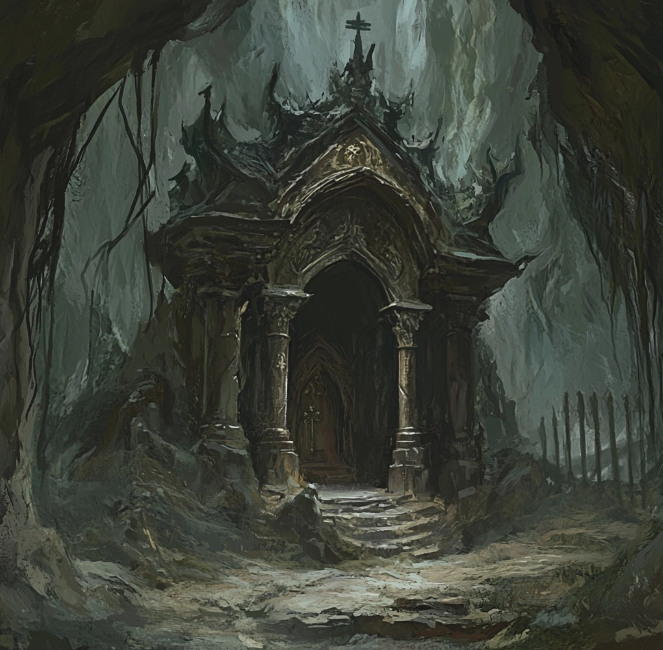
A living dungeon of a dying Old World.
"After all, a well-placed feather can prevent a dragon assault..."
Ethernalis is a turn-based roguelike card-crawler set in an Old World on the verge of destruction. Rooms, monsters, relics, even the merchants: everything in Ethernalis is a card. You stand at the center of a five-card cross, reading the room you are in and the four uncertain directions around it.
It draws on classic roguelikes, old text-adventure prose, tabletop character sheets, and survival games. Every dungeon is new, filled with threats, materials, locks, flooded rooms, roaming enemies, and quests. What waits ahead changes every run. What happens to you sticks.
Hunger, thirst, the weight on your back, the dirt on your boots: the dungeon notices all of it.
Survival, personality, gear, and movement all feed into each other. Strength helps. So does a dry pair of boots, and a companion who has not run out of bread.
Strength, Dexterity, Endurance, Perception, Charisma, Patience, Will, Knowledge, Psyche, and Destiny define your hero. A Measure at 5 grants a gift. A Measure at 1 gives the dungeon a weakness to press.
Moving, attacking, crafting, and handling items all spend Action Points. Your total comes from Dexterity, Perception, and Psyche. Carry too much and you get only one.
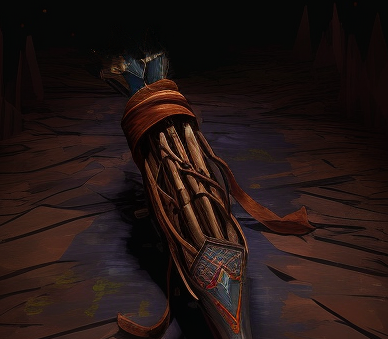
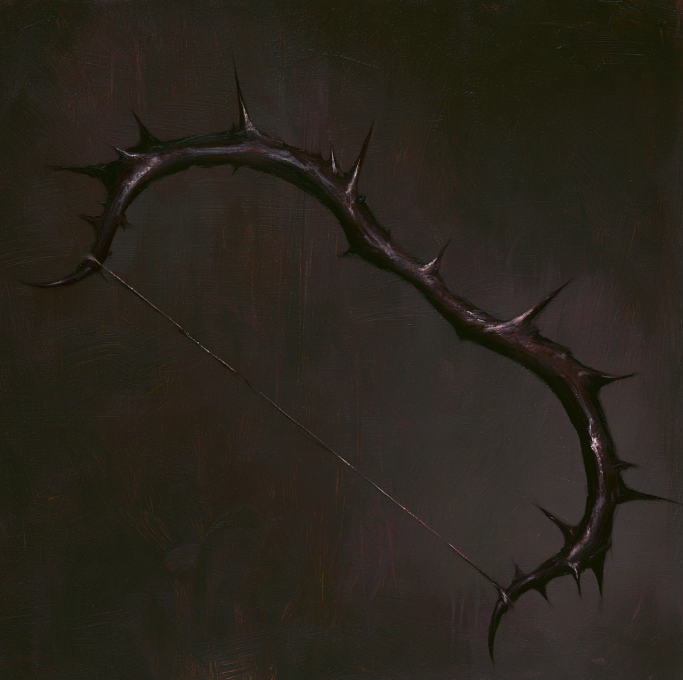
Every enemy stands at a distance. A melee attack closes the gap before it lands. Bows need room, ammunition, and a steady hand, and an enemy at arm's length makes a bow a poor choice.
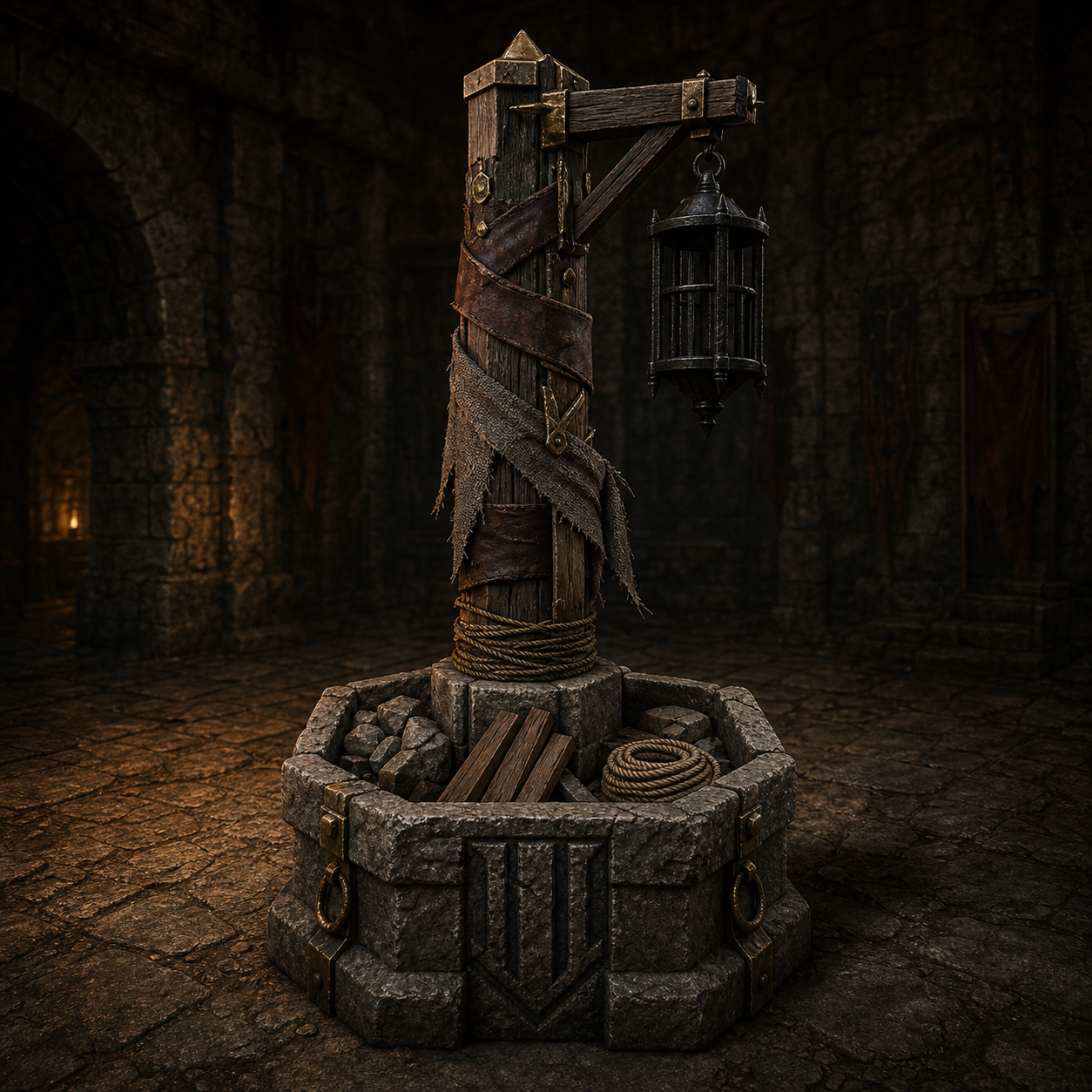
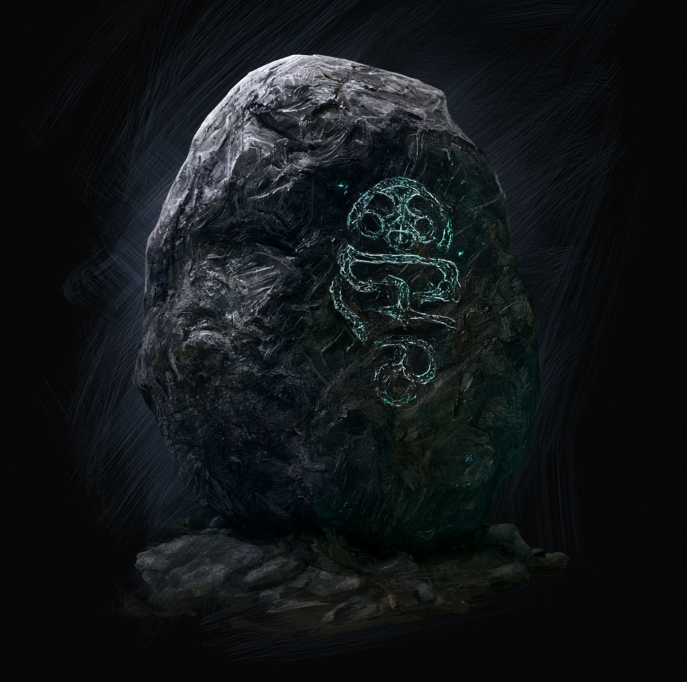
Rooms and lasting gear can hold a rune. A rune in a weapon adds force. A rune in a room changes the place itself: it can heat, chill, bless, darken, or ward whatever happens there.
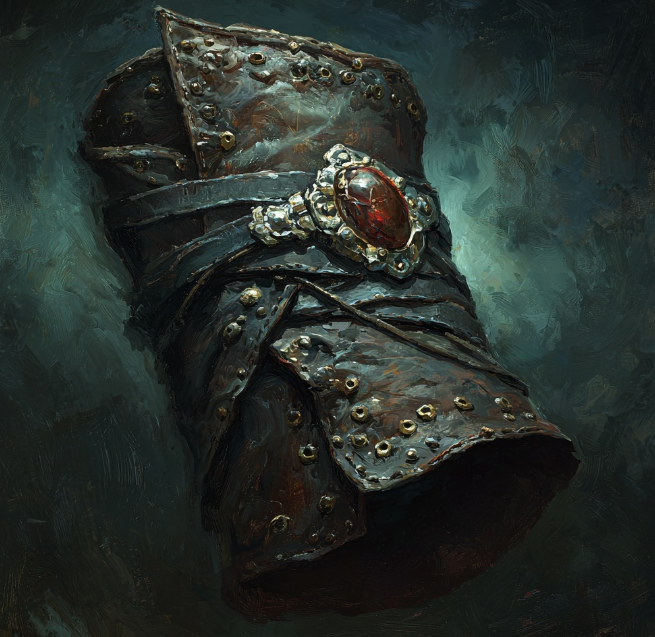
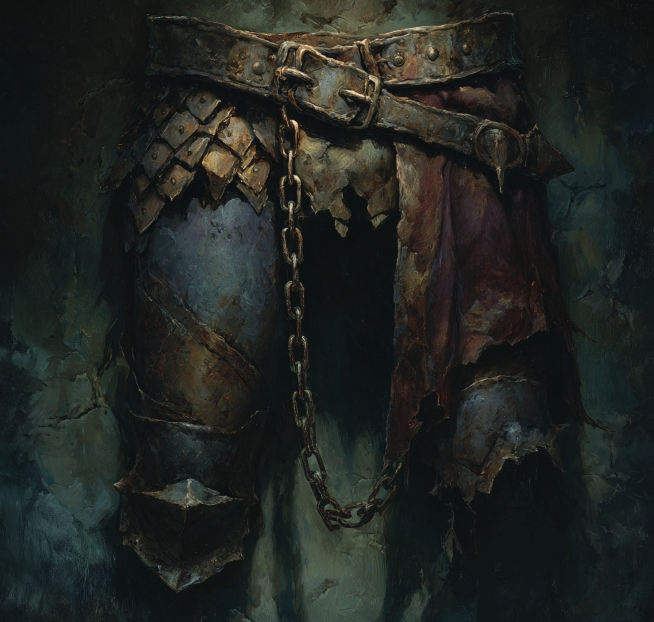
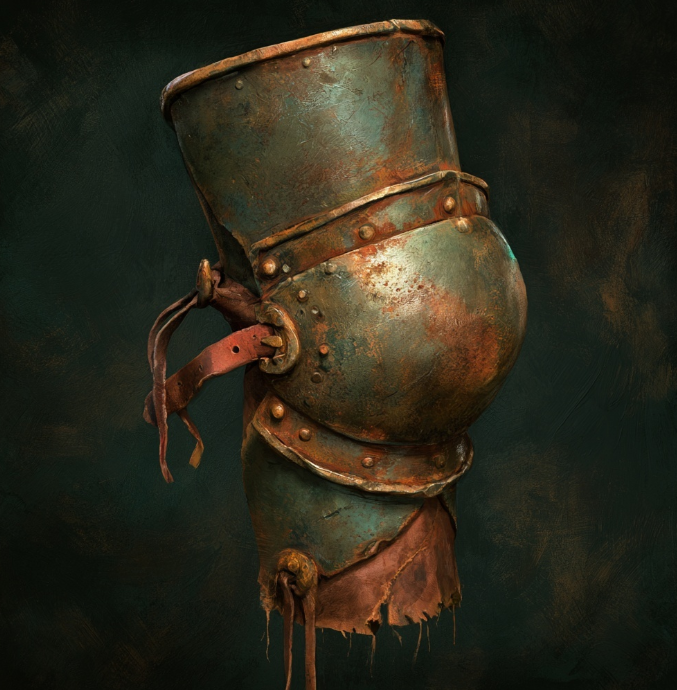
Quality runs from Dismal to Masterful. Materials shape an item's description, small stat bonuses, how fast it wears out, what it passes on when crafted, and which creatures fear it.
Hunger, thirst, cold, dirt, and badly fitting gear all wear down your stats. A tired, hungry hero can lose a fight before it starts.
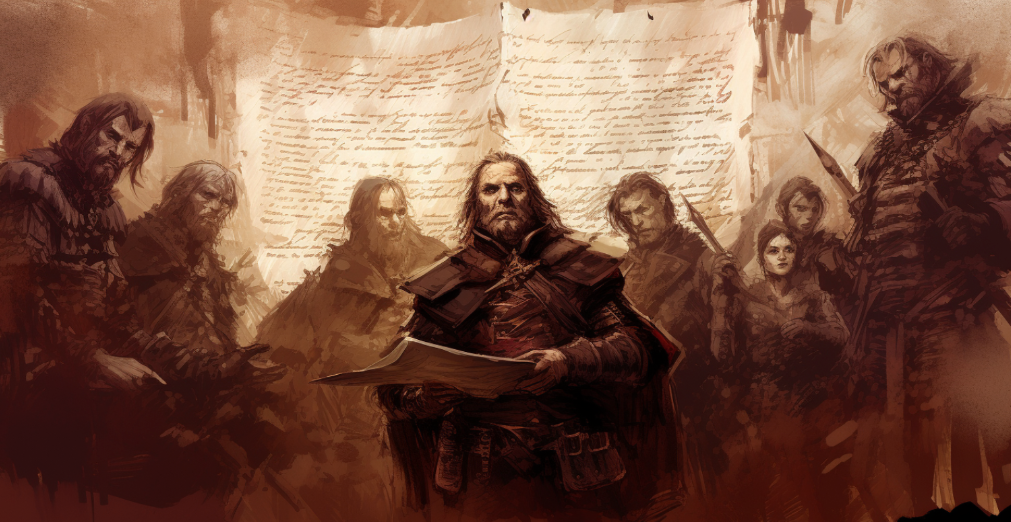
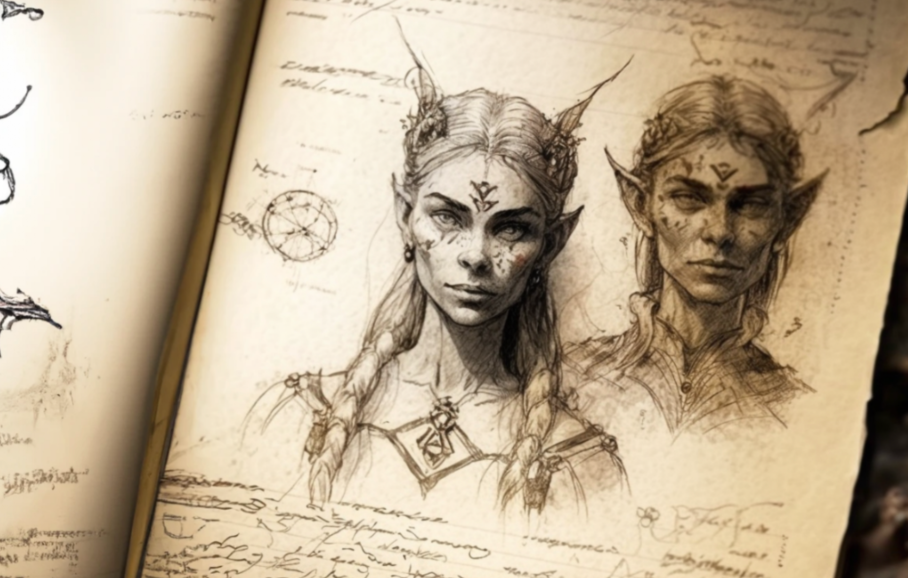
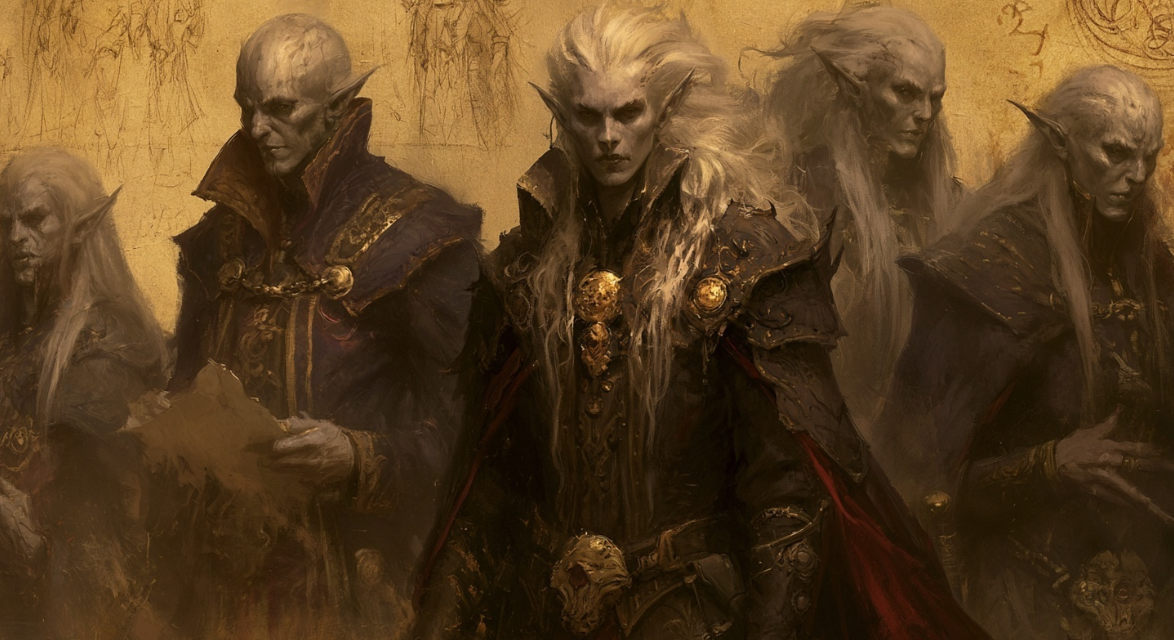
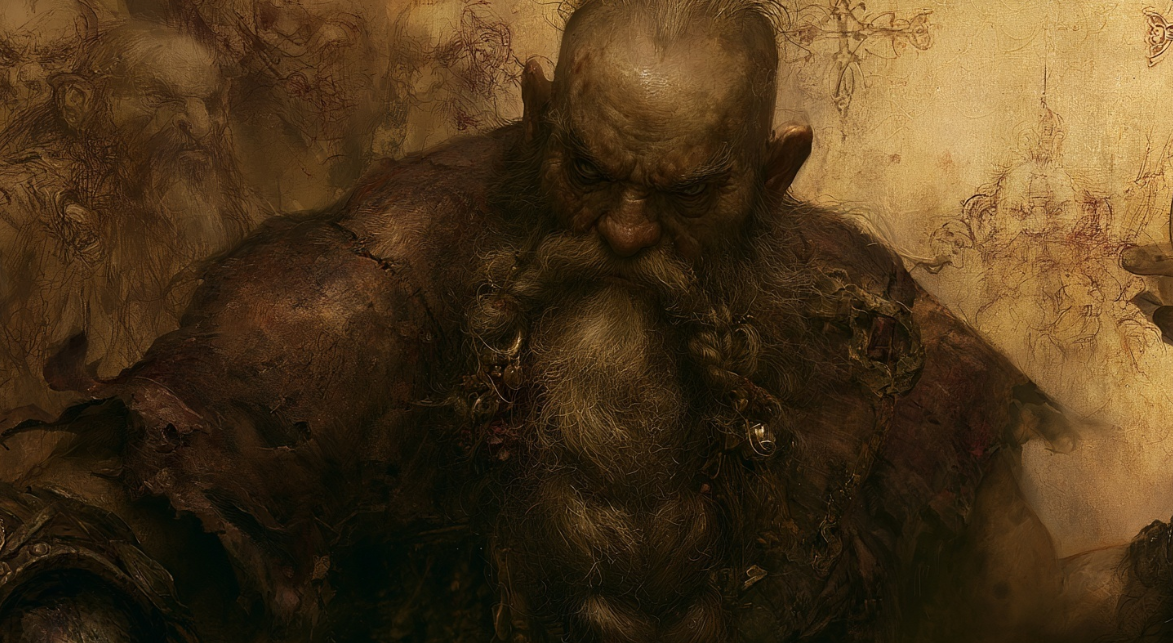
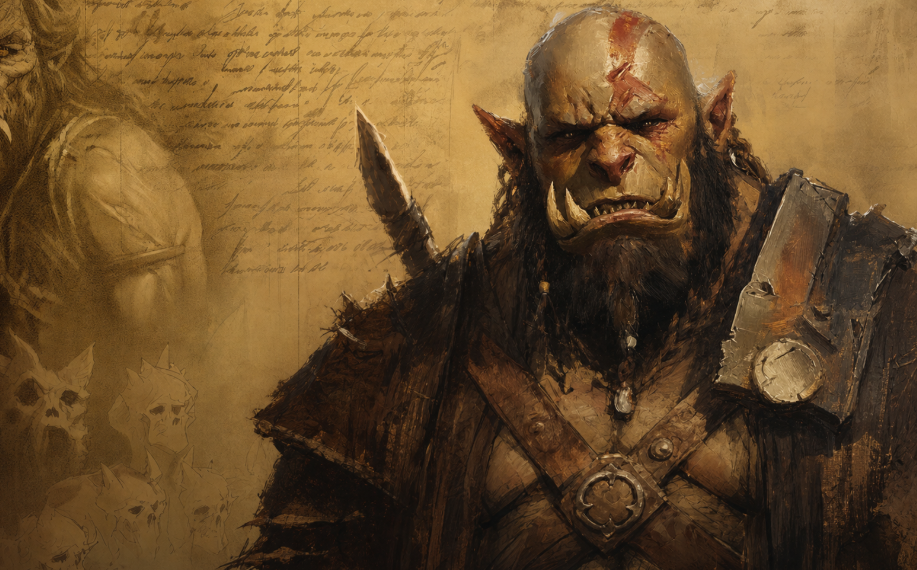
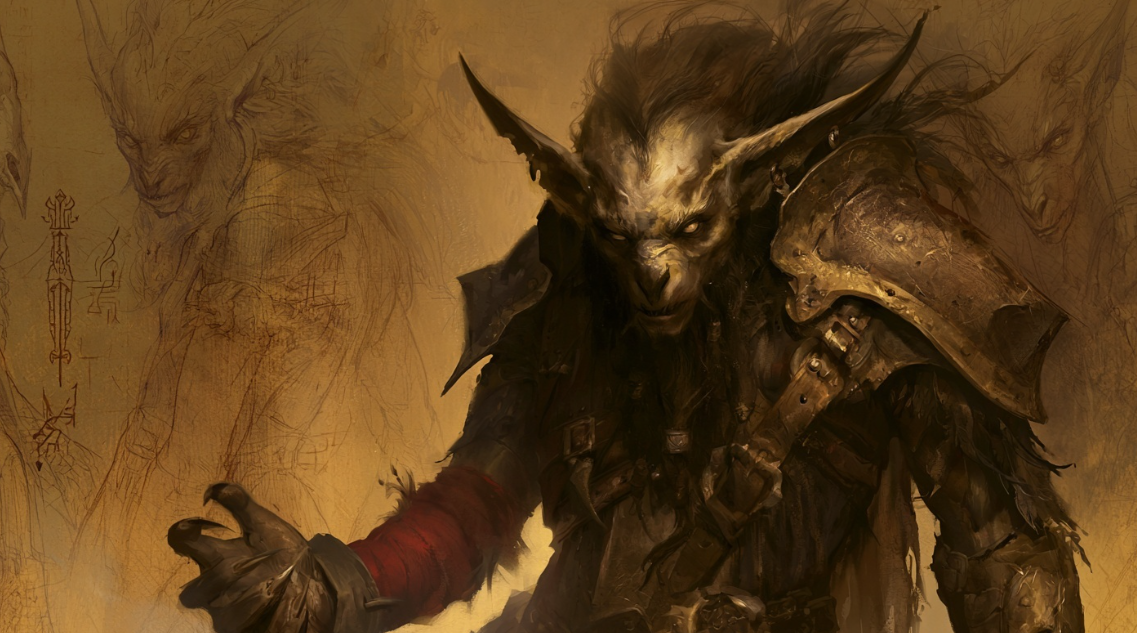
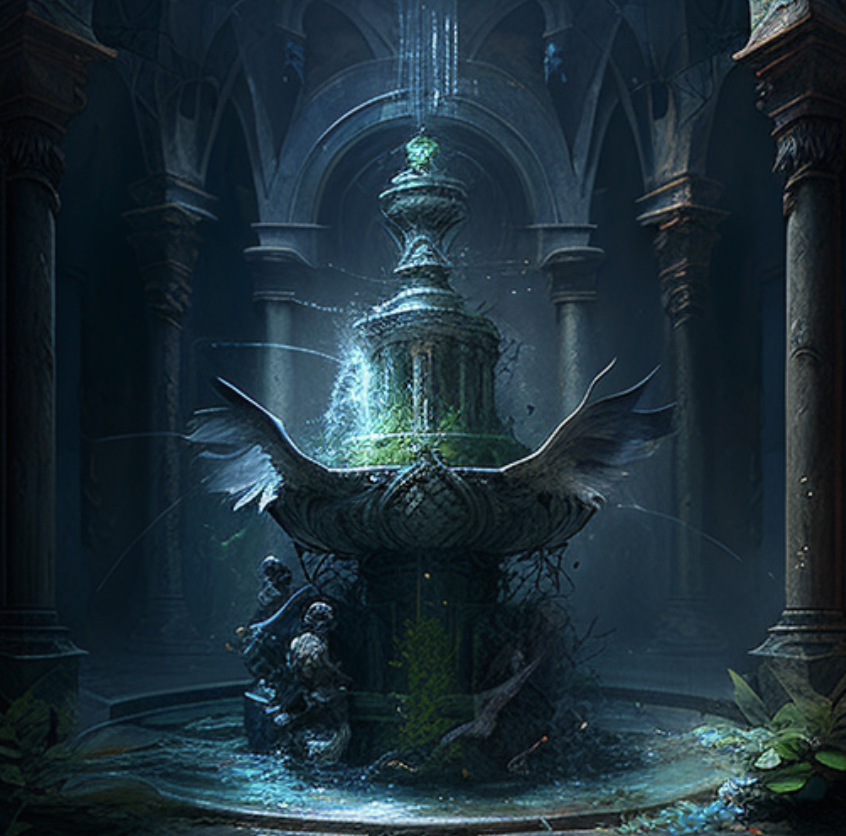
The Old World is old enough to remember every people who believed they would be the last. The human Empire of Laungenburgh is younger than it pretends. Older powers, the elven Ethos, the dwarven cliff-halls of Rotha, and the abyssal Drow of Oxhe, were here long before its first stone was laid.
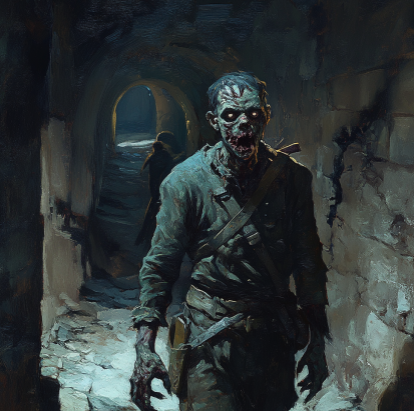
The people of the dungeon carry gear, eat, sleep, and remember whether you cheated them. They move between rooms, spring traps, break down doors, offer work, trade, and react to how you treat them.
Recruit someone and they travel with you. Send them to explore, ask them to wait, trade equipment, ask for healing, and rely on them in a fight if they have the strength to stand.
Merchants carry their own coin and have moods of their own. A merchant in good spirits gives better prices, and regular trade earns them new services. Buy, sell, or steal: each has consequences.
Events know how to wait. A quest can hang in the air until you have killed the right thing, entered the right room, or crafted the right blade, and only then announce itself.
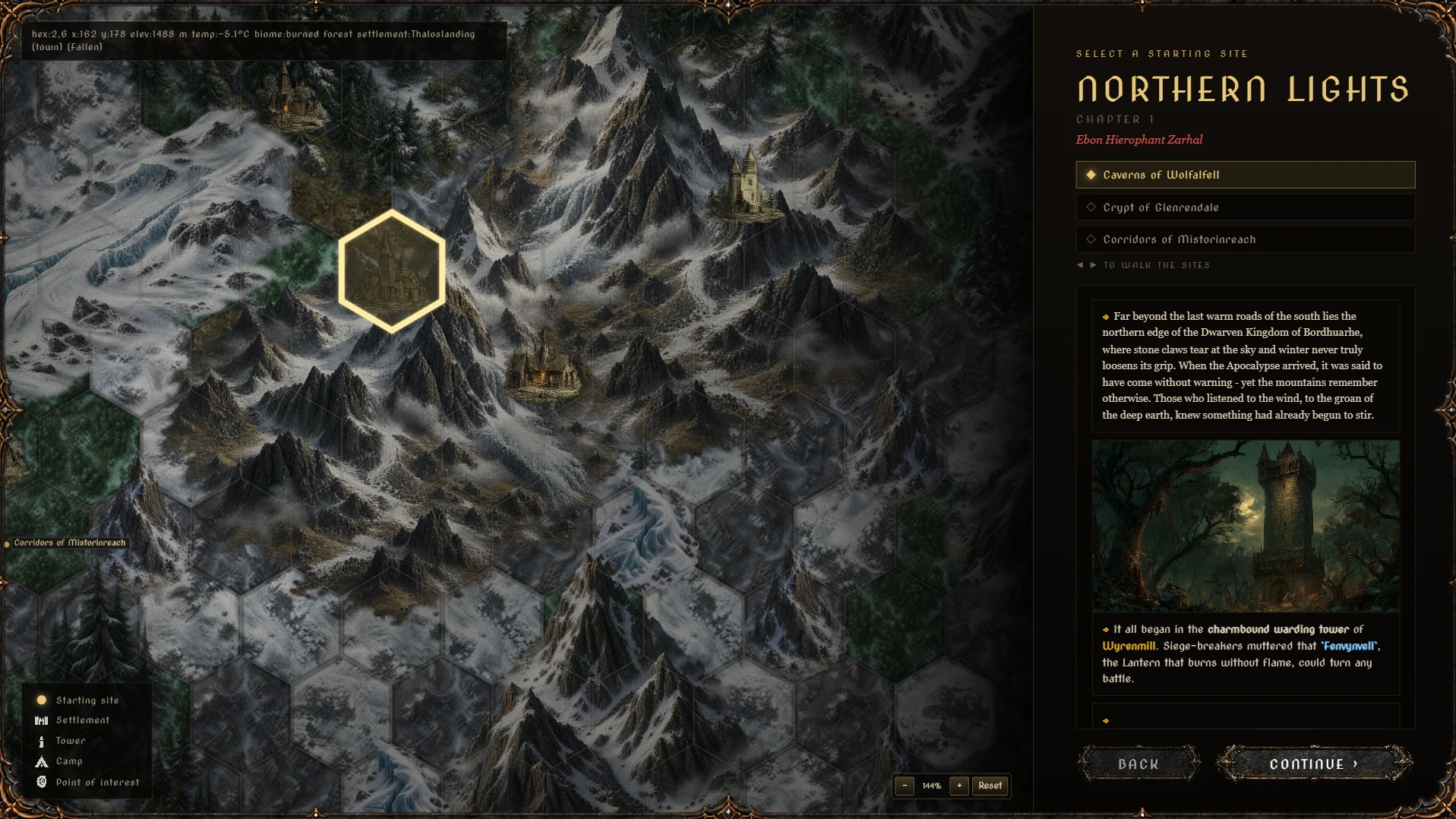
The interface is laid out like a dark play table. Your character, the cards, the chronicle, inventory, crafting, and the region map all stay close at hand.
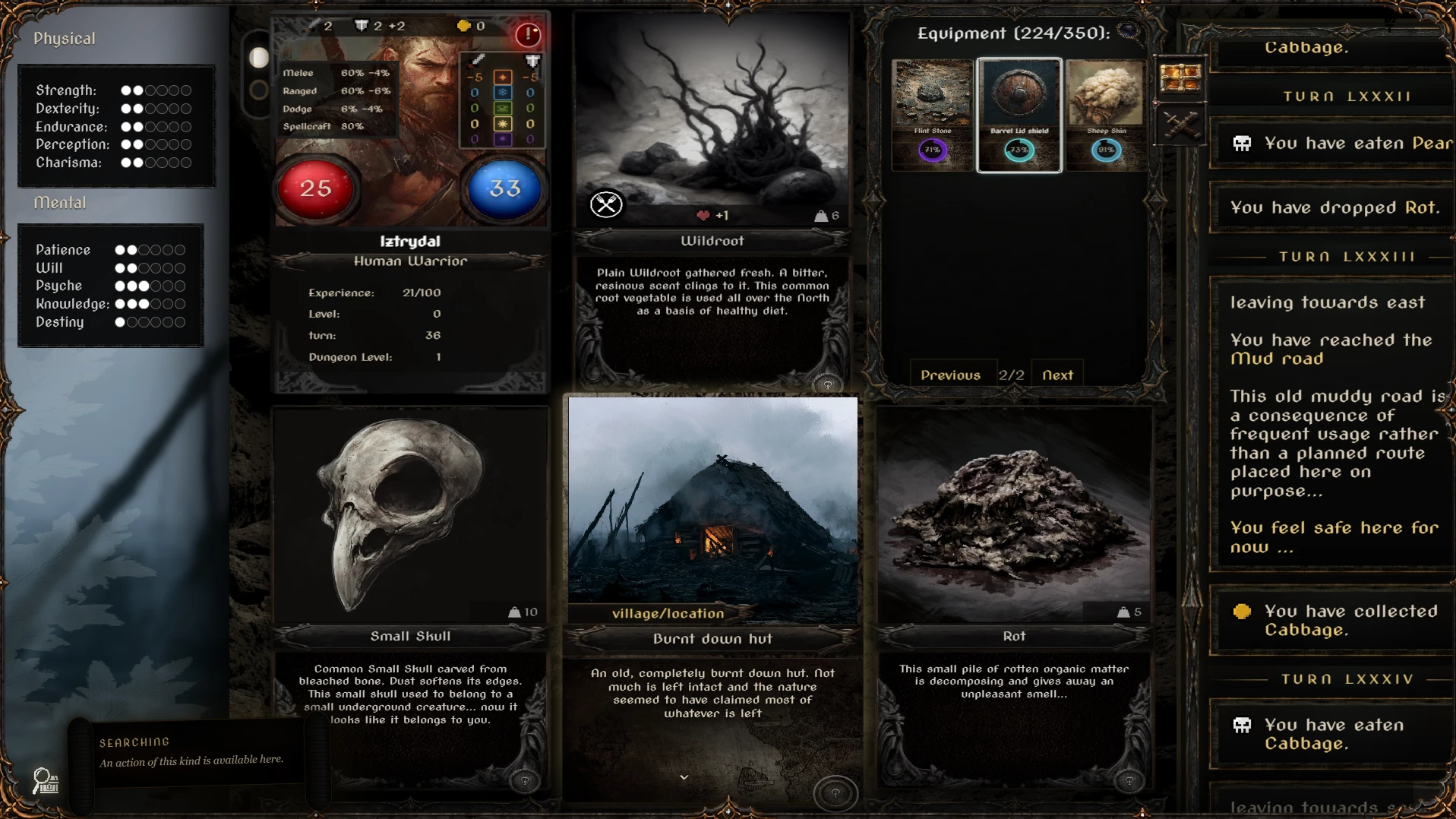
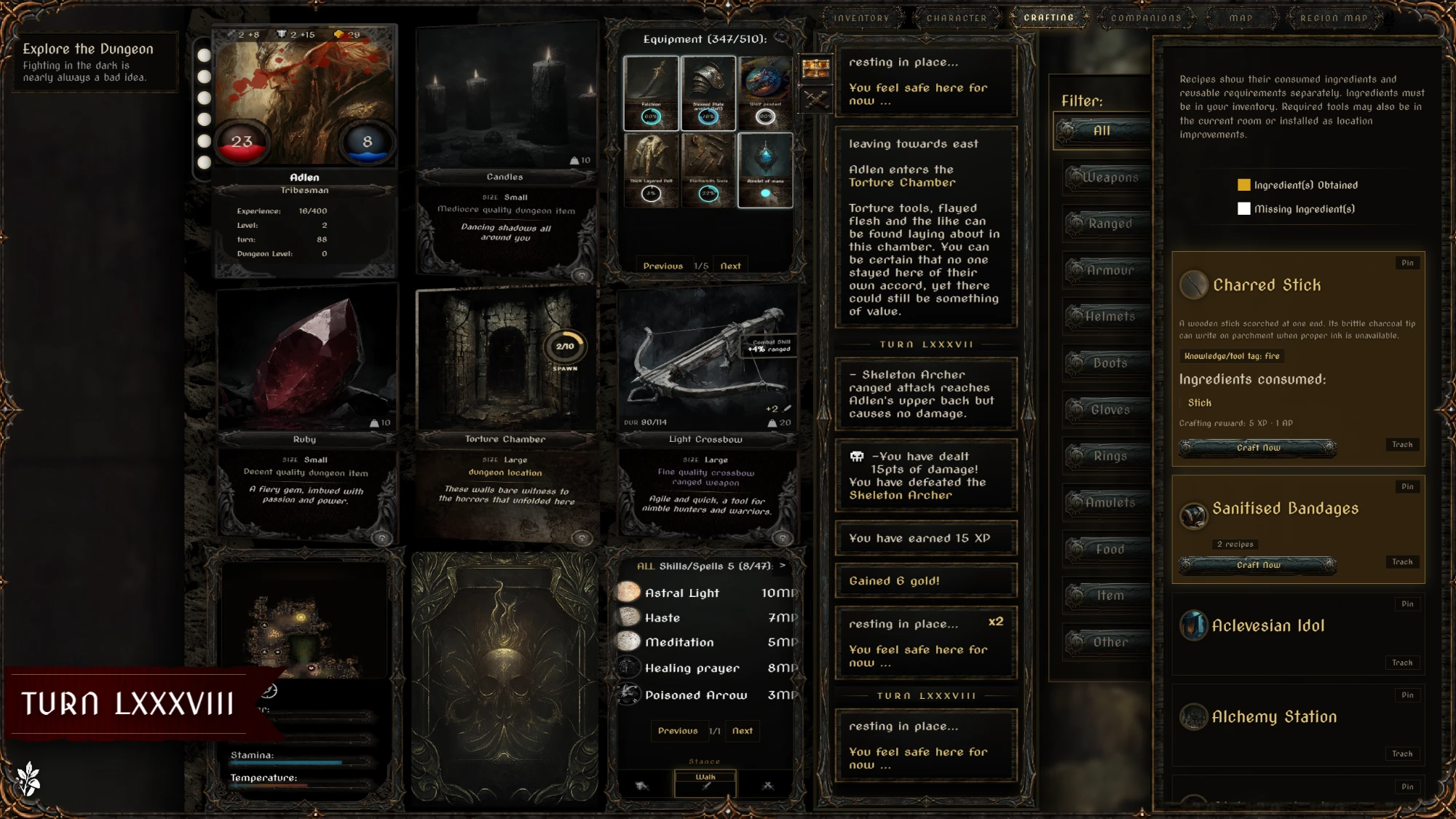
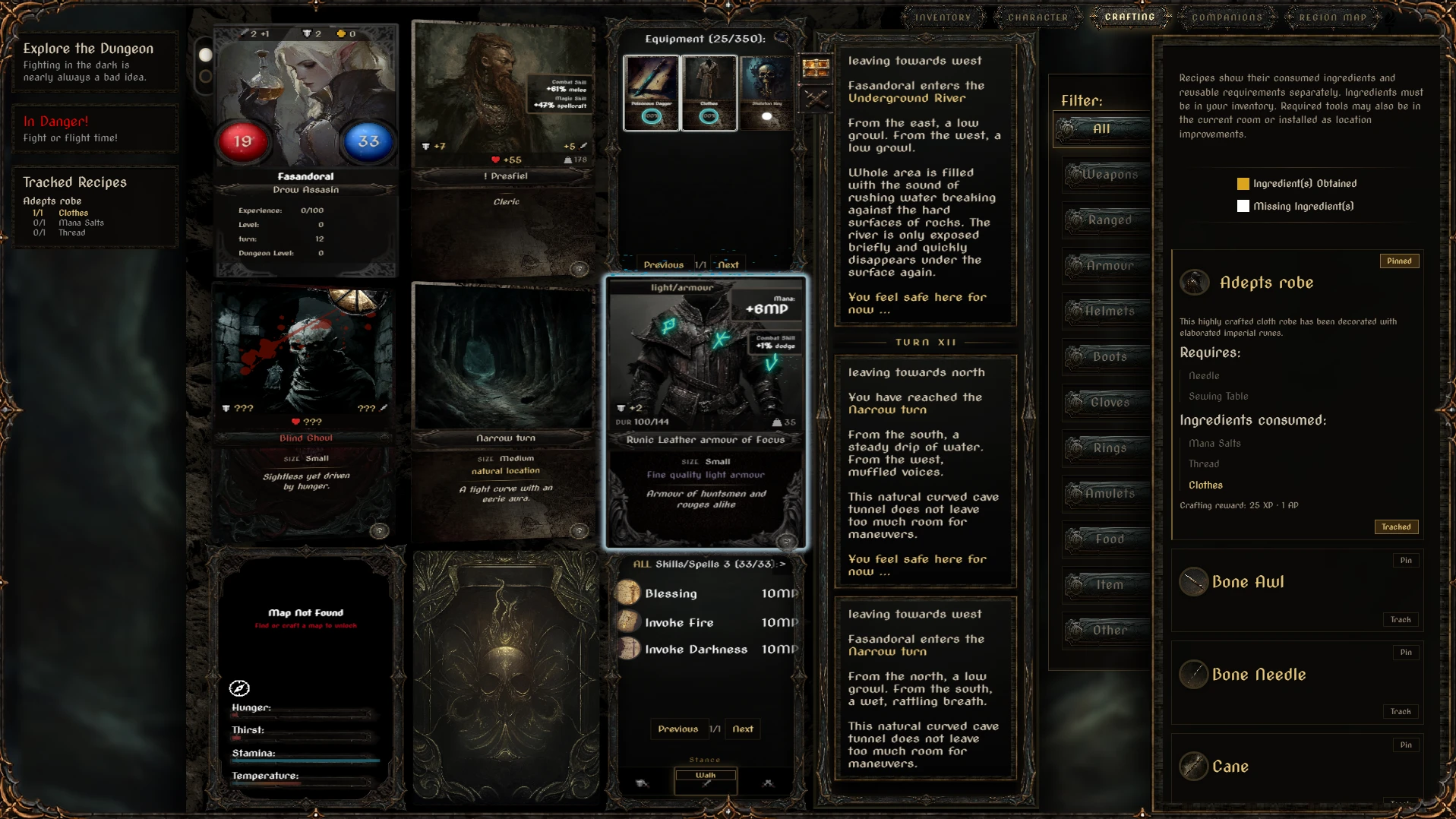
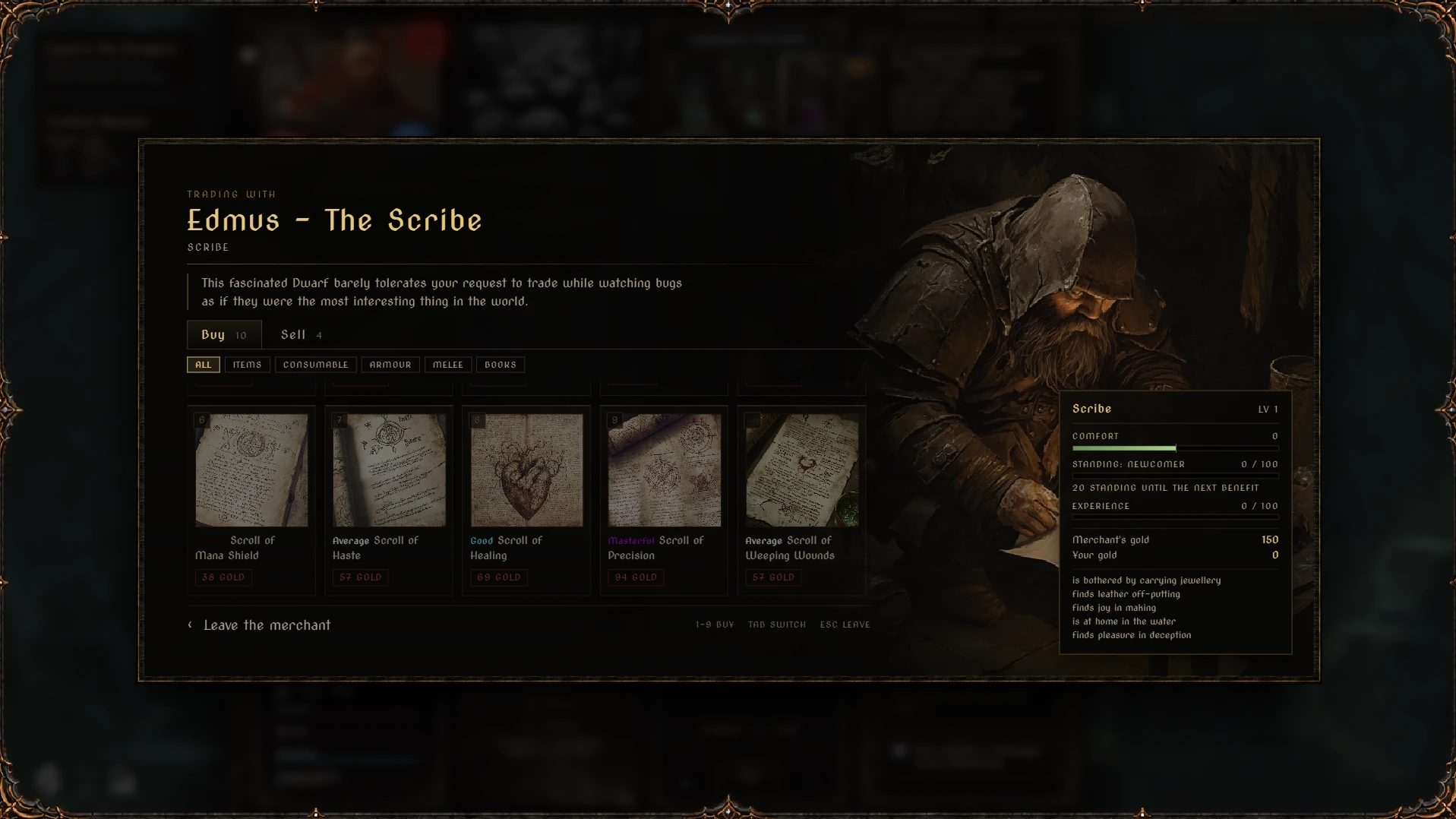
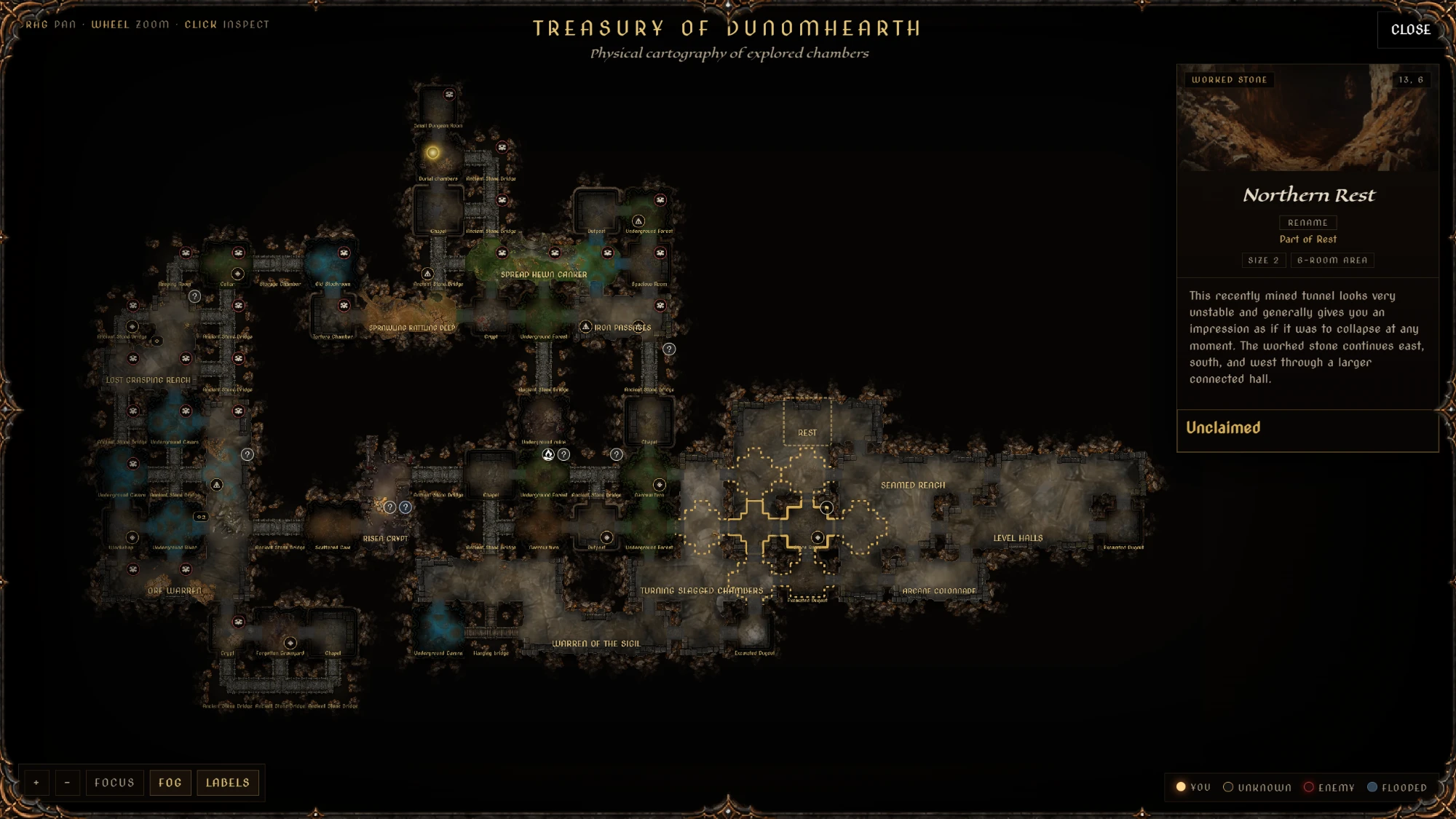
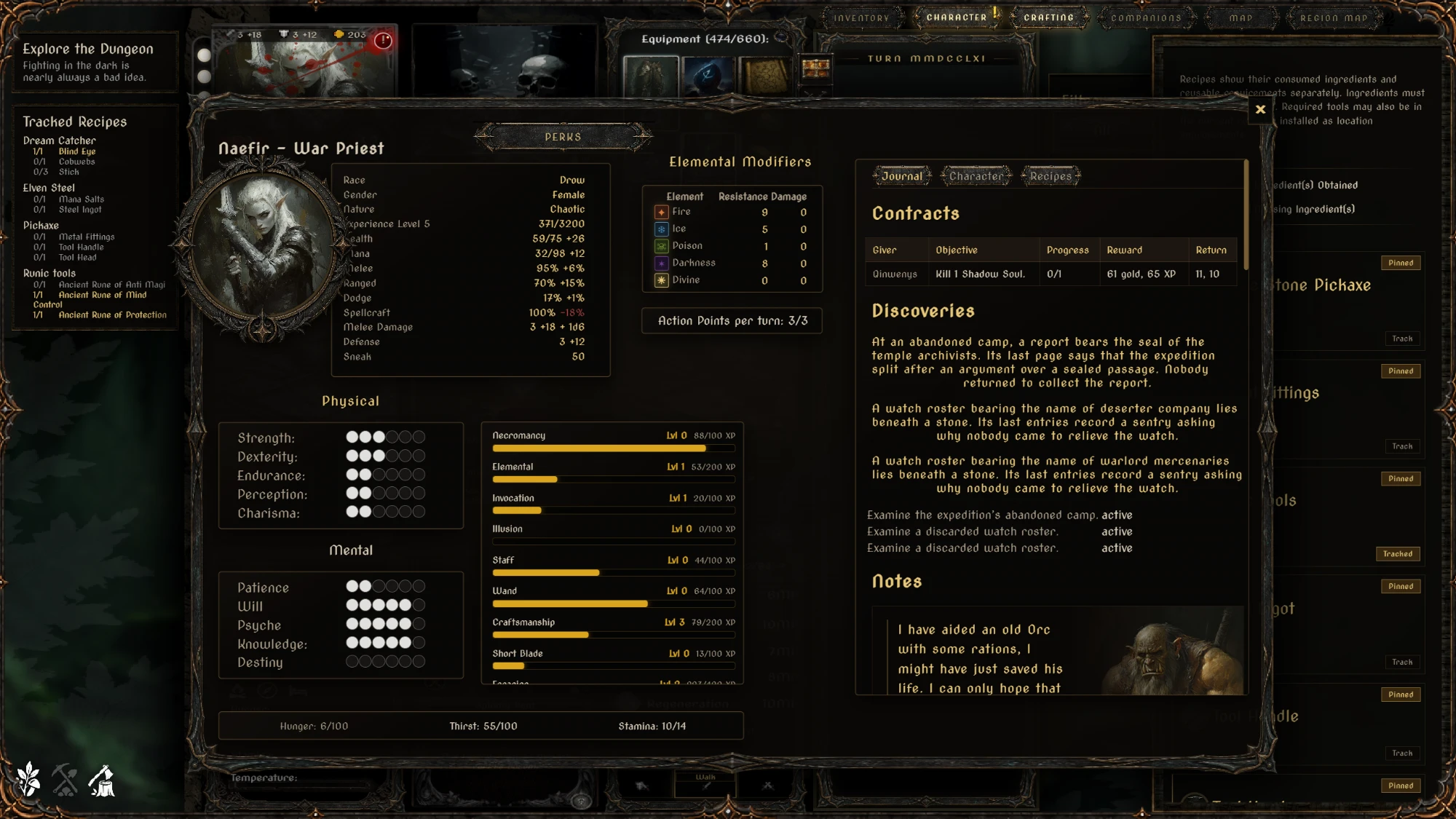
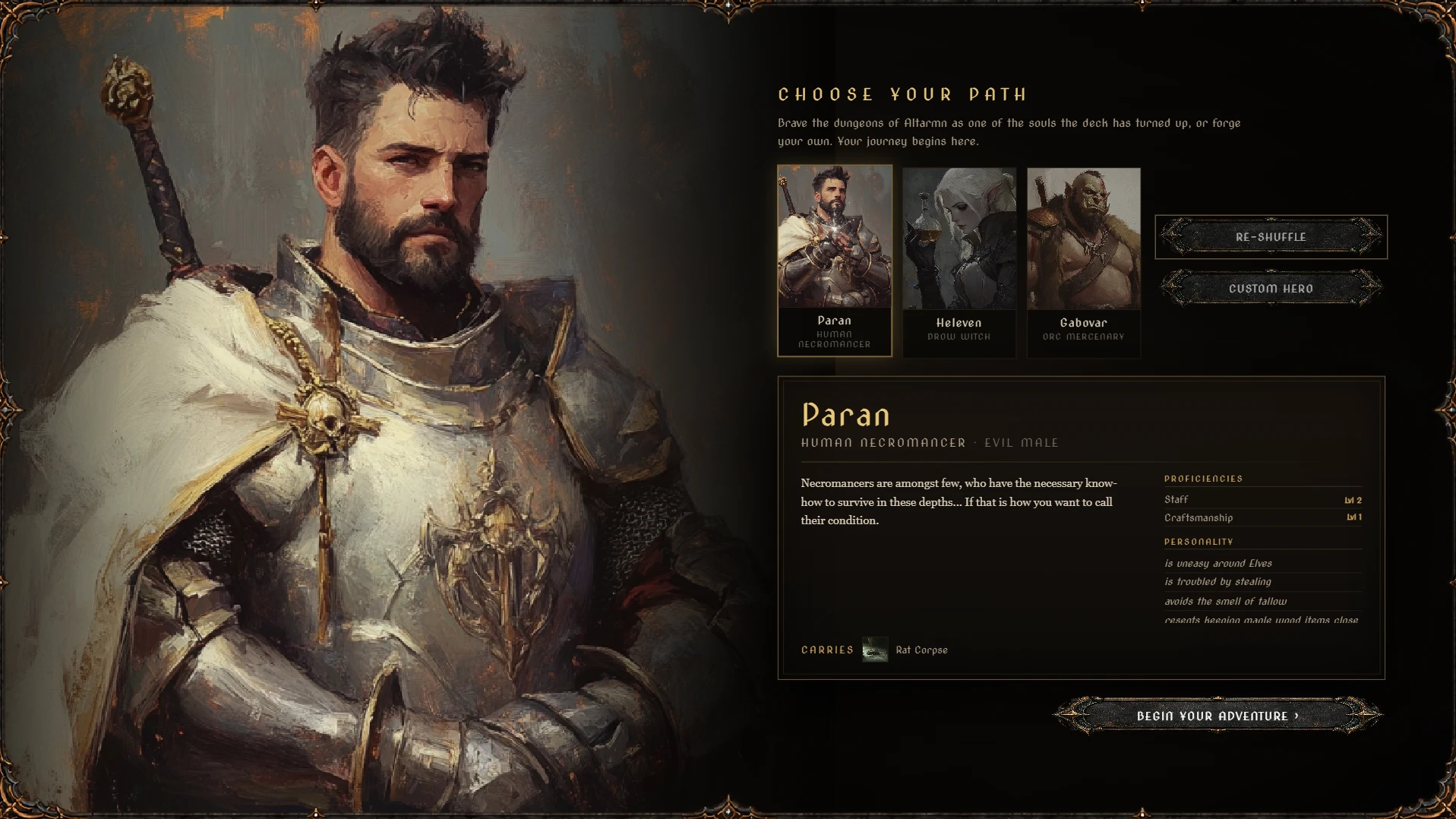
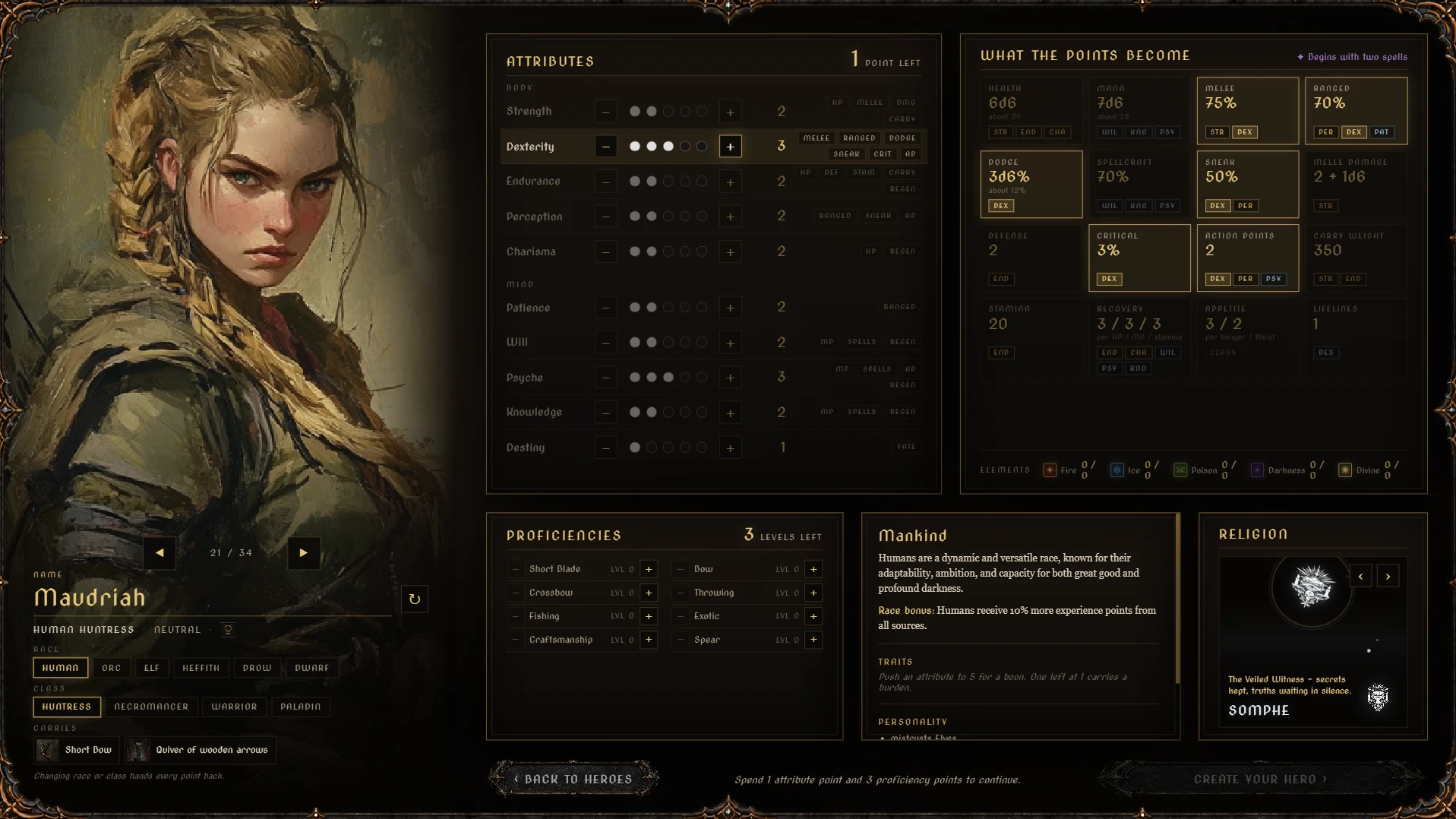
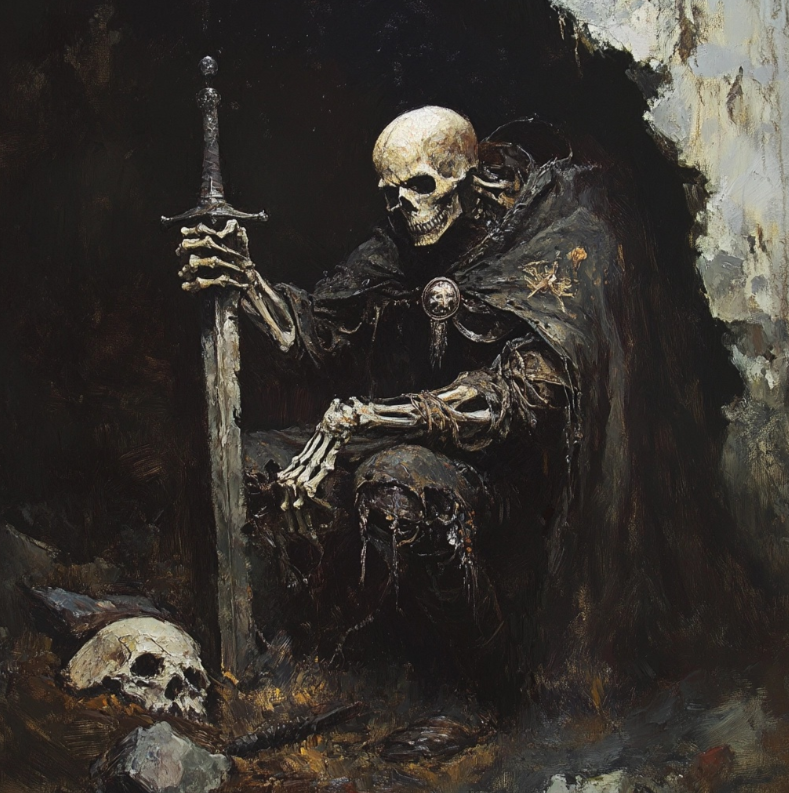
Everything you do is written into your chronicle as you play: each step, each find, each close call. Now and then your hero stops to think about a kill, a hunger, or a friend who fell here before. When a hero falls, the region keeps the story.
You notice signs of a trap to the north.
A swamp leech latches onto you!
Adlen wipes the Blind Ghoul's blood from the Falchion with grim satisfaction.
Giant Rat is slain by the trap!
Adlen counts what is left and does the arithmetic twice, hoping for a different answer.
Every door on this street stands open. Nobody left in a hurry; they simply left.
Gnawing hunger wakes you from your sleep.
Adlen kneels by Maudriah and promises something he does not say aloud.
Ethernalis is still being built, and the dungeon keeps finding new ways to kill you. Follow us on Facebook, Instagram, or X for news, screenshots, and patch notes from the current build.